
Dental Implants in Chandler, AZ
Missing teeth can make everyday meals uncomfortable, but dental implants may help restore a more secure bite. Maybe you’ve started avoiding crunchy foods or feel self-conscious about a gap when you smile. You want a dependable tooth replacement, but you also have questions about the procedure, healing, and long-term results.
At Bellissimo Dentistry & Implant Center in Chandler, AZ, we help you explore your options before recommending treatment. Your remaining teeth, gum health, bone structure, and daily habits all play a role. So do your personal goals. Whether you’re missing one tooth or need better support for a denture, we’ll explain what dental implants involve, including their benefits, limitations, and recovery time.
Advanced Technology
Thoughtful tools
Personalized Planning
Treatment guidance
Comfortable Care
Calm experience
Clear Next Steps
Easy scheduling
How Do Dental Implants Work?
A dental implant acts as an artificial tooth root, providing support for a replacement tooth or restoration. During the procedure, your dentist places a small post into your jawbone. Over time, the surrounding bone bonds with the implant, creating a stable foundation. A connector called an abutment then attaches the implant to your restoration.
Depending on your needs, dental implants can support several types of tooth replacements:
- Implant-supported crown: Replaces a single missing tooth.
- Implant-supported bridge: Replaces multiple missing teeth using implants for support.
- Implant-supported denture: Replaces several or all teeth in an arch while providing additional stability.
This support can make chewing feel more comfortable and secure. Implants also transfer biting forces to the surrounding jawbone, which may help limit bone loss in that area.
Although implants don’t develop cavities, the surrounding gums and bone still require regular care. Good oral hygiene plays an important role in their long-term success.
Who Is a Good Candidate for Dental Implants?
Dental implants may be an option for many adults with missing teeth, but the right treatment depends on your oral and overall health.
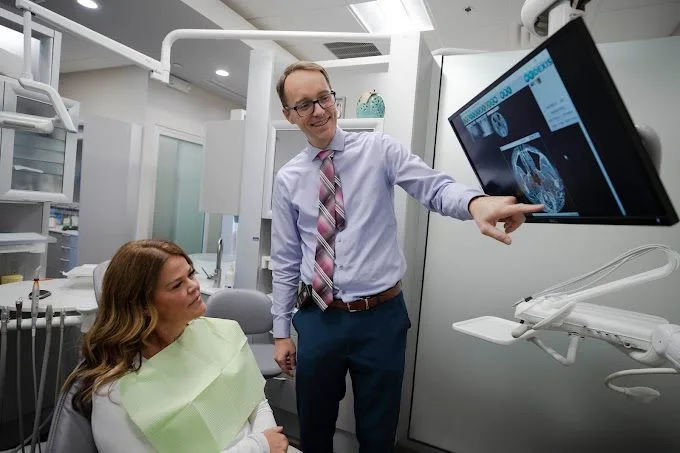
During your examination, we’ll evaluate your gums, bite, and available jawbone. Dental X-rays help us assess the bone and surrounding structures. Some patients may also need three-dimensional imaging to plan implant placement.
Healthy gums and adequate bone support provide a good starting point. If you’ve experienced bone loss, a bone graft may help create a stronger foundation. However, grafting can add time to the overall treatment process.
Your medical history also matters. Certain health conditions, medications, and habits can affect healing. Be sure to tell us about tobacco use, diabetes, or other health concerns so we can consider them when planning your care.
Not everyone needs dental implants. A traditional bridge or removable denture may better suit your oral health, preferences, or treatment goals. We’ll help you compare your options so you can make an informed decision.
What Happens During the Dental Implant Procedure?
Dental implant treatment begins with a personalized plan. Some patients need a damaged tooth removed before implant placement, while others can proceed without an extraction.
During surgery, local anesthesia is used to numb the treatment area and help keep you comfortable. You may feel pressure during the procedure, but please let us know if you experience any pain or discomfort.
After placement, the implant needs time to bond with the surrounding jawbone. This process, called osseointegration, creates the support needed for your final restoration.
Dental implant treatment often takes several months from placement to the final restoration. The exact timeline depends on healing, bone health, and whether additional procedures, such as extractions or bone grafting, are necessary.
Once the implant has integrated with the bone, we’ll attach your restoration and check its shape, fit, and bite. We can also discuss temporary tooth replacement options that may be appropriate while you heal.
What Is Recovery Like After Dental Implant Surgery?
Some soreness, swelling, and minor bleeding are common after dental implant placement. These symptoms typically improve as healing progresses.
We’ll provide aftercare instructions to help you protect the surgical area and manage discomfort. Softer foods are often recommended during the early stages of recovery. When you can return to work and normal activities depends on the procedure and how you feel afterward.
During recovery, follow these important guidelines:
- Follow your dentist’s instructions for cleaning around the surgical area.
- Take medications only as directed by your treating clinician.
- Avoid tobacco products, which can interfere with healing.
- Choose softer foods while the surgical area begins to recover.
- Attend follow-up visits so we can monitor your progress.
Contact our office if you experience worsening pain, fever, persistent bleeding, or unexpected swelling. These symptoms may need prompt attention rather than waiting until your next scheduled appointment.
Recovery is different for everyone. We’ll explain what to expect based on your specific treatment plan and answer your questions throughout the healing process.
How Long Do Dental Implants Last?
Dental implants can last many years with proper care, although their long-term success depends on several factors. Gum health, oral hygiene, biting forces, and regular dental visits all influence how well an implant functions over time.
Inflammation around an implant can damage its supporting tissues and bone. Daily cleaning helps reduce this risk.
To care for your dental implants:
- Brush twice daily using a soft toothbrush and fluoride toothpaste.
- Clean around your implant restoration every day using the tools recommended by your dental team.
- Continue routine dental examinations and professional cleanings.
- Tell us if you notice bleeding, tenderness, or changes around the implant.
- Discuss any teeth grinding or clenching habits with your dentist.
Fluoride toothpaste helps protect your remaining natural teeth from decay. Although the implant itself cannot develop a cavity, its surrounding tissues still need attention.
If you grind or clench your teeth, excess biting forces may damage the restoration or its components. We can evaluate your bite and discuss whether a protective night guard would be beneficial.
Regular dental appointments also give us an opportunity to monitor your implant, surrounding gums, and restoration for signs of wear or developing concerns.
Related Services
All-on-X
Learn about all-on-x at Bellissimo Dentistry & Implant Center.
TeethXpress® Implants
Learn about teethxpress® implants at Bellissimo Dentistry & Implant Center.
Dentures
Learn about dentures at Bellissimo Dentistry & Implant Center.
General Dentistry
Learn about general dentistry at Bellissimo Dentistry & Implant Center.
Explore Dental Implants in Chandler, AZ
Choosing dental implants starts with understanding your options. You deserve clear answers about the procedure, healing time, long-term maintenance, and whether implant treatment is appropriate for your needs.
At Bellissimo Dentistry & Implant Center, Dr. Alexander Matheson, Dr. Ezra Hahn, and Dr. Samantha Holder help patients in Chandler, AZ, explore tooth replacement options tailored to their oral health and personal goals. Whether you’re missing a single tooth or several teeth, we’ll take the time to discuss your concerns and explain the treatments available to you.
Ready to explore dental implants in Chandler, AZ? Call Bellissimo Dentistry & Implant Center today to schedule your consultation. Our team can help you understand your options and take the next step toward a more comfortable, confident bite.