
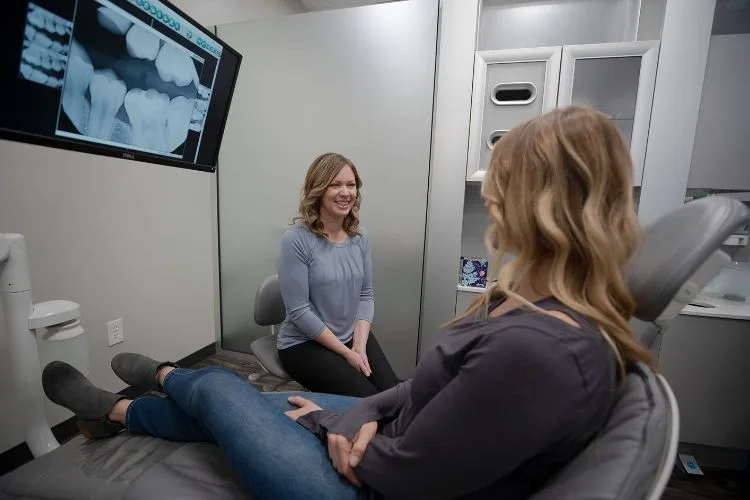
Root Canal Therapy in Chandler, AZ
Tooth pain can make everyday activities like eating, drinking, and sleeping uncomfortable. If you’ve been told you may need a root canal, you might wonder what the procedure involves and whether your natural tooth can be saved. Fortunately, root canal therapy can often treat an infected or damaged tooth without removing it.
At Bellissimo Dentistry & Implant Center in Chandler, AZ, Dr. Alexander Matheson, Dr. Ezra Hahn, and Dr. Samantha Holder help patients understand their treatment options and make informed decisions about their dental health. Our goal is to address the source of your discomfort while preserving your natural teeth whenever possible.
Advanced Technology
Thoughtful tools
Personalized Planning
Treatment guidance
Comfortable Care
Calm experience
Clear Next Steps
Easy scheduling
What Is Root Canal Therapy?
Root canal therapy is a dental procedure that removes inflamed or infected tissue from inside a tooth. This tissue, called the pulp, contains nerves and blood vessels. When deep decay, cracks, or injuries damage the pulp, bacteria may enter the tooth and cause an infection.
During root canal treatment, your dentist removes the affected pulp, cleans and shapes the root canals, and seals the space to help prevent reinfection.
A mature tooth can continue functioning without its pulp because the surrounding tissues provide support. By treating the problem inside the tooth, root canal therapy can help preserve your natural bite and comfortable chewing.
However, not every damaged tooth can be saved. Your dentist will evaluate the tooth’s condition, remaining structure, and long-term outlook before recommending treatment.
What Are the Signs You May Need a Root Canal?
An infected or damaged tooth doesn’t always cause constant pain. Some people experience severe discomfort, while others notice mild symptoms or no pain at all.
Common signs that may indicate the need for root canal treatment include:
- Persistent tooth pain: Discomfort that interferes with eating, sleeping, or daily activities.
- Lingering sensitivity: Pain that continues after consuming hot or cold foods and drinks.
- Swollen or tender gums: Swelling or a recurring bump near the affected tooth.
- Pain when chewing: Discomfort when biting down or applying pressure to a tooth.
These symptoms don’t automatically mean you need a root canal. Cavities, gum problems, and other dental conditions can cause similar discomfort.
A dental examination is the best way to determine what’s happening and which treatment may help.
If you notice worsening pain or swelling, contact your dentist promptly. Facial swelling accompanied by fever requires urgent attention. If swelling makes breathing or swallowing difficult, seek emergency medical care immediately.
What Happens During a Root Canal?
Understanding what to expect can make root canal treatment feel less intimidating. The procedure focuses on removing damaged tissue, cleaning the inside of the tooth, and protecting it from further problems.
1. Examination and diagnosis
Your dentist begins by discussing your symptoms and reviewing your dental history. An examination, dental X-rays, and tests that evaluate the tooth’s response help determine whether the pulp is damaged or infected.
2. Numbing the treatment area
If root canal therapy is recommended, your dentist uses a local anesthetic to numb the area. This helps keep you comfortable throughout the procedure.
3. Cleaning the root canals
A small protective sheet isolates the tooth during treatment. Your dentist creates an opening in the tooth and uses specialized instruments and cleaning solutions to remove the damaged tissue and clean the canals.
4. Sealing the tooth
Once the canals are cleaned and shaped, they are filled and sealed. The opening is then protected with a filling or another appropriate restoration.
Some root canals can be completed in one visit, while others require additional appointments. Teeth with complex root anatomy may also require treatment by an endodontist, a dentist who specializes in conditions affecting the inside of teeth.
Your dentist will explain the recommended approach before treatment begins.
Does a Root Canal Hurt?
It’s normal to feel nervous about a root canal, especially if you’re already experiencing tooth pain. Modern root canal treatment uses local anesthetic to help control discomfort during the procedure.
You may feel some pressure or movement while your dentist works, but the treatment area should be numb. If you experience discomfort, let your dental team know so they can assess the situation and make adjustments when needed.
In many cases, the pain associated with a root canal comes from the inflammation or infection that makes treatment necessary. Addressing the underlying problem can help relieve that discomfort.
How Long Does Root Canal Recovery Take?
Mild tenderness or sensitivity around the treated tooth is common for a few days after a root canal. Recovery varies depending on the tooth’s condition, the extent of the inflammation, and the treatment performed.
Your dentist may recommend appropriate pain relief based on your medical history.
To help protect your tooth during recovery:
- Avoid chewing until the numbness has worn off, and avoid hot drinks while your mouth is numb.
- Avoid biting down on hard or sticky foods with the treated tooth until your dentist says it’s safe.
- Continue brushing and flossing gently, following your dentist’s instructions.
- Contact your dental office if you notice worsening pain, swelling, or an uneven bite.
Even if your tooth feels better quickly, follow all aftercare instructions and attend any recommended follow-up appointments.
Do You Need a Crown After Root Canal Treatment?
Root canal therapy treats the damaged or infected tissue inside your tooth, but the tooth may still need additional protection.
Depending on its location and how much healthy structure remains, your dentist may recommend a dental crown or another permanent restoration.
Back teeth often benefit from crowns because they withstand significant pressure during chewing. However, not every root canal-treated tooth requires the same type of restoration.
A temporary filling is not designed to provide long-term protection. Completing the recommended permanent restoration helps protect the tooth and support its continued function.
How Long Can a Root Canal-Treated Tooth Last?
With proper treatment, an appropriate restoration, and consistent dental care, a tooth that has undergone root canal therapy can last for many years. Some treated teeth remain functional for a lifetime, although no dental procedure can guarantee permanent results.
Your long-term care remains important because root canal-treated teeth can still develop cavities, cracks, or other problems.
Protect your smile by brushing twice daily with fluoride toothpaste, flossing every day, and attending regular dental checkups. These visits also allow your dentist to monitor the treated tooth and evaluate its healing.
Related Services
General Dentistry
Learn about general dentistry at Bellissimo Dentistry & Implant Center.
Family Dentistry
Learn about family dentistry at Bellissimo Dentistry & Implant Center.
CandidPro Clear Aligners
Learn about candidpro clear aligners at Bellissimo Dentistry & Implant Center.
Smile Makeovers
Learn about smile makeovers at Bellissimo Dentistry & Implant Center.
Schedule a Root Canal Consultation in Chandler, AZ
Tooth pain, lingering sensitivity, or swollen gums shouldn’t be ignored. Getting an evaluation can help you understand what’s causing your symptoms and whether root canal therapy is the right treatment.
At Bellissimo Dentistry & Implant Center in Chandler, AZ, Dr. Alexander Matheson, Dr. Ezra Hahn, and Dr. Samantha Holder take the time to explain your dental health and discuss your options. If your natural tooth can be preserved, we’ll help you understand the steps involved. If the tooth cannot be reliably restored, we’ll discuss extraction and appropriate tooth replacement options.
Don’t let tooth pain disrupt your daily life. Call Bellissimo Dentistry & Implant Center today to schedule an evaluation and take the next step toward a healthier, more comfortable smile.